Comprehensive Guide to Beans Farming: From Planting to Harvesting
Beans are among the most widely grown and consumed crops globally, offering numerous nutritional benefits. As the seeds of plants in the Fabaceae family (legumes), beans are rich in protein, fiber, folate, iron, potassium, and magnesium. Additionally, they are low in fat, sodium, and cholesterol, making them an essential part of a balanced diet. Beans are versatile, used as both food for humans and feed for animals. To achieve optimal yield and quality, understanding the growing conditions, stages, diseases, pests, nutrition, and weed control strategies is essential.
Beans Farming: Description and Conditions for Growth
Soil Requirements
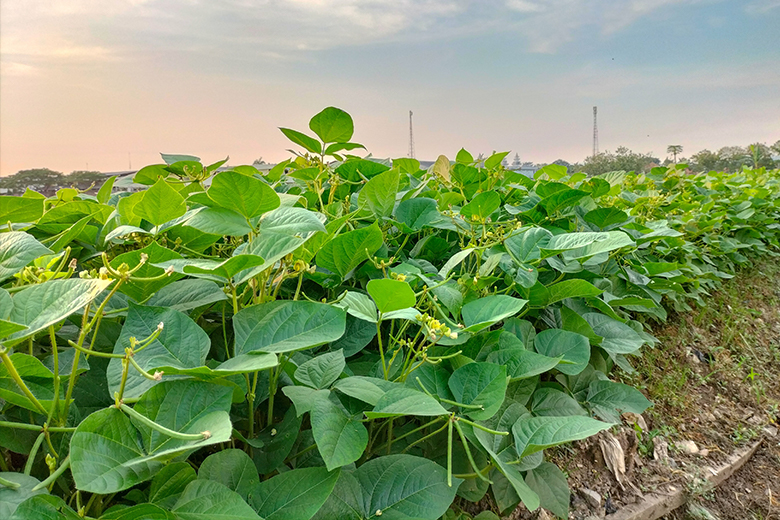
Beans thrive in well-drained, fertile, weed-free soils with a pH range of 6.5–7.5. The soil should be rich in organic matter and free from waterlogging, as excess moisture can harm the roots and lead to disease. Proper soil fertility is essential for robust growth, so it is crucial to test the soil and amend it with necessary nutrients if required.
Altitude
Beans are most suitable for cultivation at altitudes between 1,000 and 2,100 meters above sea level. This altitude range provides favorable climatic conditions, including optimal temperature and moisture levels that promote healthy bean growth.
Rainfall
Beans require a well-distributed annual rainfall of 800–2,000 mm. Excessive rain during flowering can lead to flower abortion, while dry weather during the harvest period helps beans dry and mature
properly. Farmers should plan for adequate irrigation systems to supplement rainfall, particularly in regions with inconsistent precipitation patterns.
Temperature
Beans grow best at temperatures ranging from 15°C to 33°C, with an ideal range of 20°C to 25°C. They are sensitive to frost, and temperatures above 30°C can negatively impact flowering and pod setting. Beans are best suited to temperate climates that provide a consistent temperature throughout the growing season.
STAGES OF BEANS FARMING
Beans go through several key growth stages from planting to harvesting, and each stage requires careful attention to ensure a successful crop.
Planting:
Planting is the first step in beans farming, and it involves selecting healthy seeds and ensuring proper seed spacing. Beans should be planted in rows, with appropriate depth to promote good seedling establishment. Pre-planting soil preparation is critical for creating a suitable environment for germination.
Early Season:
During this stage, the bean seeds germinate and begin to grow their initial root system and leaves. Proper irrigation and pest control are important, as young seedlings are vulnerable to disease and environmental stress.
Vegetative:
The vegetative stage is characterized by the development of the plants’ leaves, stems, and roots. Beans during this period need
adequate moisture and nutrients to establish a strong structure for the subsequent flowering and podding stages.
Flowering and Podding:
This is one of the most critical stages, as flowers bloom and pods begin to form. Temperature, moisture, and pest control during this phase are essential for proper pod formation and seed development. Pollination should be encouraged, as it is vital for pod-setting.
Harvesting:
Beans are harvested when the pods mature and dry. The ideal harvesting period is marked by mature, fully formed seeds, with a moisture content of around 15%. Overripe or under-ripe beans can lead to reduced quality and yield.
Disease and Pest Control in Beans Farming
Beans are susceptible to a range of diseases and pests that can significantly affect yield and quality. Early intervention with appropriate agrochemicals is essential for disease and pest management.
Beans Diseases – Chemical Treatment
| Disease | Chemical Treatment |
|---|---|
| Damping Off | Masta Gold 720WG, Metameta 720WP |
| Early & Late Blight | Kenthane 720WP, Stopdew 250WP, Mastagold 720WG, Tajiri 720WP |
| Downy Mildew | Tajiri 720WP, Vanguard 525WG, |
| Botrytis, Anthracnose, Bean Rust & Powdery Mildew | Bugati 500SC, Orizole 250EC |
| Bacterial Bean Blight & Halo Blight | Bugati 500SC, Orizole 250EC |
Diseases in Beans Farming and Agrochemical Control
Damping Off:
This fungal disease can affect beans from planting through the flowering and podding stages.
Control:
Masta Gold 720WG (Mancozeb 640g/Kg + Metalaxyl-M 80g/Kg) at 50g/20L.
Metameta 720WP (Mancozeb 640g/Kg + Metalaxyl 80g/Kg) at 50g/20L., Tajiri 720WP.
Early and Late Blight:
Fungal diseases that affect the plant’s leaves and stems, reducing photosynthesis.
Control:
Tajiri 720WP (Mancozeb 640g/kg + Cymoxanil 80g/kg) at 40g/20L.
Kenthane 720WP (Mancozeb 800g/Kg) at 50g/20L during the Early Season.
Stopdew 250WP (Metalaxyl-M 150g/Kg + Propamocarb Hydrochloride 100g/Kg) at 30g/20L from the Vegetative stage to harvesting.
Mastagold 720WG (Mancozeb 640g/Kg + Metalaxyl-M 80g/Kg) at 50g/20L.
Downy Mildew:
This fungal infection causes leaves to turn yellow and distorted.
Control:
Tajiri 720WP at 40g/20L during the Early Season.
Vanguard 525WG (Cymoxanil 300g/Kg + Famoxadone 225g/Kg) at 10g/20L in the Vegetative stage.
Botrytis, Anthracnose, Bean Rust, Powdery Mildew, Bacterial Bean Blight, and Halo Blight.
Control:
Bugati 500SC (Azoxystrobin 200g/L + Tebuconazole 300g/L) at 10ml/20L.
Orizole 250EC (Tebuconazole 250g/L) at 15ml/20L.
Pests in Beans Farming and Control Measures
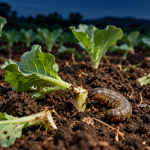
Cutworms:
Attack the seedlings and damage the stems at the soil surface.
Control:
Vendex 50 EC (Lambdacyhalothrin 50g/L) at 12ml/20L.
Aragon 220ZC (Thiamethoxam 126g/L + Lambdacyhalothrin 94g/L) at 5-10ml/20L.
Beans Pests – Chemical Treatment
| Pest | Chemical Treatment |
|---|---|
| Cutworms | Vendex 50EC, Aragon 220ZC |
| Caterpillars | Emmaron 30SC, Aragon 220ZC |
| Pod Borers & Beetles | T-Kab 300WG |
| Thrips, Whiteflies & Bean Flies | Acetak 200SL |
Caterpillars:
Feed on leaves and pods, reducing photosynthesis and yield.
Control:
May 50EC (Lufenuron 50g/l) at 10ml.20l of water.
Emmaron 30SC (Emamectin Benzoate 200g/L + Lufenuron 100g/L) at 10ml/20L.
Aragon 220ZC at 10ml/20L.
Pod Borers and Beetles:
Damage the developing pods and seeds.
Control:
T-Kab 300WG (Indoxacarb 300g/Kg) at 2.5g/20L.
Thrips, White Flies, and Bean Flies:
These pests damage leaves and reduce plant vigour.
Control:
Acetak 200SL (Acetamiprid 200g/L) at 10ml/20L.
Plant Nutrition in Beans Farming
Bean plants require proper nutrition throughout their growth stages to maximize yield and quality. A balanced fertilization program can ensure that plants receive all the essential nutrients they need.
Beans Nutrition – Foliar Fertilizers
| Growth Stage | Fertilizers |
|---|---|
| At Planting | High-Phosphorus Fertilizer |
| Early Season | Brilliant, Genie Gold 500SL, Faida SC |
| Vegetative & Flowering | Cabozinc SC, Faida SC, Microfert TI |
At Planting:
Use a high-phosphorous fertilizer to promote strong root development.
In the Early Season:
Use foliar fertilizers to boost early growth and plant health:
Brilliant (Ammonium Phosphate) at 40ml/20L as a starter.
Genie Gold 500SL (Ascophyllum Nodosum 500g/L) at 15ml/20L to optimize growth.
Faida SC (N:P:K 24:24:18) at 20-40ml/20L to enhance plant metabolism.
During Vegetative and Flowering Stages:
To improve flower and pod development, use:
Cabozinc SC (56% Liquid Calcium) at 30ml/20L to control flower abortion and boost seed size.
Faida SC and Microfert TI at 30ml/20L for plant immunity and grain consistency.
Weed Control in Beans Farming
Weeds compete with beans for nutrients, light, and water. Timely and effective weed management ensures better yields.
Beans Weed Control – Chemical Treatment
| Weed Control Stage | Chemical Treatment |
|---|---|
| Pre-Emergence (Land Preparation) | Kausha 480SL, Dryweed 396SL |
| Post-Emergence | B-Safi 180EC, B-Safi Turbo 150ME |
Pre-Emergence (Land Preparation):
Kausha 480SL (Glyphosate 480g/L) at 200ml/20L.
Dryweed 396SL (Glyphosate 371g/L + 2,4-D Amine 25g/L) at 250ml/20L.
Post-Emergence:
B-Safi Turbo 150ME (Fomesafen 100g/l + Quizalofop-p-ethyl 50g/l) at 50-100mls
B-Safi 180EC (Clomazone 110g/L + Quizalofop-p-ethyl 15g/L + Fomesafen 55g/L) at 50-100ml/20L.
Sticker:
Use Golden Leaf (Polyalkylene Oxide Modified Heptamethyl Trisiloxone 980g/L) as a wetter, spreader, and sticker at 2ml/20L to enhance the effectiveness of other agrochemicals.
Beans Farming – Sticker & Spreader
| Category | Product |
|---|---|
| Sticker, Wetter & Spreader | Golden Leaf |
Successful beans farming requires understanding and managing multiple aspects of crop production, including optimal growing conditions, disease and pest control, nutrition, and weed management. By applying the correct agrochemicals and fertilizers, beans farmers can protect their crops, ensure healthy growth, and achieve maximum yields. Regular monitoring and timely interventions are key to ensuring a bountiful harvest.