
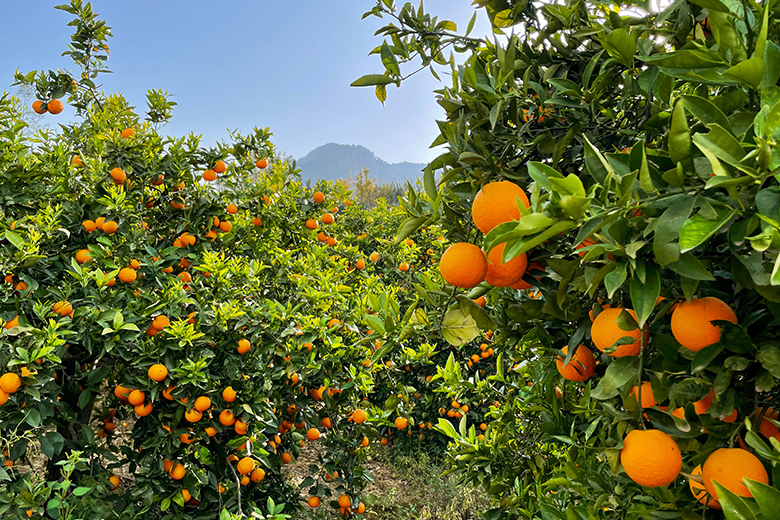
Citrus fruits are among the most popular and widely cultivated fruits globally. Native to regions of South Asia, East Asia, Southeast Asia, Melanesia, and Australia, citrus fruits have since spread across the world. Citrus includes a wide variety of fruits such as oranges, mandarins, lemons, and limes, each prized for their refreshing, tangy flavor, and high nutritional value. These fruits thrive in tropical and subtropical climates, and their farming requires careful attention to various stages, disease control, pests, and nutritional needs to ensure healthy growth and bountiful harvests.
Tips For Better Fruits
STAGES OF CITRUS FRUIT FARMING IN KENYA
Citrus fruit farming progresses through several key stages, each requiring distinct attention and care for the healthy development of the trees and fruits. The farming cycle can be broken down into three main periods: the early season, mid-season, and late season.
Early Season (Flash Season: 0-2 Weeks)
This stage requires care in terms of watering, protection from pests, and ensuring adequate sunlight and warmth.
Mid Season (Flowering (3-5 weeks) and Fruit Formation (6-10 Weeks)
The mid-season begins with the flowering stage, typically around weeks 3 to 5. Citrus trees produce delicate blossoms, which are essential for fruit set. Following this, fruit formation occurs between weeks 6 and 10. Proper pruning and management are crucial to support healthy fruit development. Additionally, the trees should be monitored for pests and diseases.
Late Season (Ripening and Harvesting: 11-20 Weeks)
During the late season, citrus fruits begin to ripen, and the harvest period begins, lasting from weeks 11 to 20. The fruits develop their characteristic colour, size, and sweetness. At this stage, it is important to manage water usage carefully to avoid fruit splitting or other disorders, as well as ensuring that the harvest is timely to prevent over-ripening.
Diseases Affecting Citrus Farming in Kenya and Treatment
Citrus farming faces several common diseases that can affect plant health and fruit yield. Early detection and treatment are critical to mitigating damage and ensuring the longevity of the trees.
Citrus Diseases – Chemical Treatment
| Disease | Chemical Treatment |
|---|---|
| Leaf Rust & Black Spots | Orizole 250EC, Bugati 500SC |
| Powdery Mildew & Anthracnose | Bugati 500SC, Orizole 250EC, Dewklin 250EC |
| Collar Rot & Trunk Rot | Bugati 500SC |
| Citrus Canker | Menno Florades 90SL |
Leaf Rust and Black Spots
Early Stage: To control leaf rust and black spots, apply Bugati 500SC (Azoxytrobin 200g/l + Tebuconazole 300g/l) at a rate of 20ml/20L.
Mid Season: Use Orizole 250EC Tebuconazole 250g/L.
Late Season: Reapply Bugati 500SC for continued protection.
Powdery Mildew and Anthracnose
Early & Mid Season: Apply Bugati 500SC (Azoxytrobin 200g/l + Tebuconazole 300g/l) at 10ml/20L, Orizole 250EC Tebuconazole 250g/L, or Dewklin 250EC (Difenoconazole 250g/L) at 15ml/20L.
Late Season: Use Bugati 500SC (Azoxystrobin 200g/L + Tebuconazole 300g/L).
Rot: Collar and Trunk
Treatment: Apply Bugati 500SC for full-cover spraying, including the trunk at a rate of 20ml/20L, and also drench the base of the tree at 40ml/20L.
Citrus Canker
Mid Season: Control citrus canker with Menno Florades 90SL (Benzoic Acid 90g/L) at 30-50ml/20L of water.
Pests Affecting Citrus Farming in Kenya
Citrus trees are prone to various pests that can significantly damage the trees and fruits. Controlling these pests is essential for maintaining tree health and ensuring optimal fruit yield.
Citrus Pests – Chemical Treatment
| Pest | Chemical Treatment |
|---|---|
| Cutworms | Acetak Top 700WG, Vendex 50EC |
| Caterpillars | May 50EC, Emmaron 30SC |
| Black Citrus Aphids & Whiteflies | Acetak Top 700WG, Acetak 200SL, Alfatox 100EC, Protap 500WP |
| Leaf Miners, Spider Mites & Thrips | K-mec 18EC, Spidor 240SC, Cadence Gold |
| Mealybugs & Scale Insects | Aragon 220ZC, Protap 500WP, Acetak Top 700WG |
| Root-Knot Nematodes | Foscap 105GR, Foscap Top 250ME, Nemamectin 50EW |
| Termites | Gradometor 480EC |
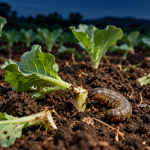
Cutworms
Any Stage: Apply Acetak Top 700WG (Acetamiprid 700g/Kg) at 2.5g/20L or Vendex 50EC (Lambdacyhalothrin 50g/L) at 25ml/20L.
Caterpillars
Any Stage: Use May 50EC (Lufenuron 50g/L) at 10ml/20L or Emmaron 30SC (Emamectin Benzoate 200g/L + Lufenuron 100g/L).
Black Citrus Aphids and Whiteflies
Any Stage: Control with Acetak Top 700WG (Acetamiprid 700g/Kg) at 2.5g/20L, Acetak 200SL (Acetamiprid 200g/L), Alfatox 100EC (Alphacypermethrin 100g/L) at 5-10ml/20L, or Protap 500WP (Monosultap 400g/Kg + Buprofezin 100g/Kg) at 40g/20L.
Leaf Miners, Spider Mites, and Thrips
Any Stage: Use K-mec 18EC at 10ml/20L, Spidor 240SC (Spirodiclofen 240g/L) at 10ml/20L or Cadence Gold (Polyether Modified Polymethyl Siloxane 500g/L) at 15ml/20L.
Mealy Bugs and Scales
Any Stage: Control with Aragon 220ZC (Thiamethoxam 126g/L + Lambdacyhalothrin 94g/L) at 5-10ml/20L, Protap 500WP (Monosultap 400g/Kg + Buprofezin 100g/Kg), or Acetak Top 700WG (Acetamiprid 700g/Kg) at 2.5g/20L.
Root Knot Nematodes
Any Stage: Use Foscap 105GR (Fosthiazate 100g/Kg + Abamectin 5g/Kg) at 30-45kg/Ha, Foscap Top 250ME (Fosthiazate 200g/L + Abamectin 50g/L) at 10ml/20L (soil drenching), or Nemamectin 50EW (Abamectin 50g/L) at 6-10ml/20L.
Termites
Treatment: Apply Gradometor 480EC at a rate of 30-40ml/20L for termite protection.
Foliar Fertilizers
Nutrient management is a crucial aspect of citrus fruit farming to ensure healthy tree growth, improved fruit size, taste, and yield. Fertilization is applied at different stages to address specific growth needs.
Citrus Foliar Fertilizers – Nutrient Management
| Growth Stage | Foliar Fertilizers |
|---|---|
| Early Season | Brilliant, Microfert TI |
| Mid Season | Microfert TI, Cabozinc SC, Faida SC, Genie Gold 500SL |
| Late Season | Microfert TI |
Early Season
Brilliant (Ammonium Phosphate) at 40ml/20L for vegetative growth.
Microfert TI at 20ml/20L for cell activation and improved photosynthesis.
Mid Season
Microfert TI at 20ml/20L for enhanced flower bud formation and colour.
Cabozinc SC (56% Liquid Calcium) at 30ml/20L for zinc and boron to prevent flower abortion.
Faida SC (N:P:K 24:24:18 + TE) at 20-40ml/20L for sweeter fruits.
Late Season
Microfert TI at 20ml/20L to increase fruit size, improve shelf life, and enhance colour and taste.
Weed Control In Citrus Farming
Effective weed control is vital for the healthy growth of citrus trees as it reduces competition for nutrients, water, and sunlight. Several herbicides can be used during land preparation or throughout the farming process.
General Weed Control In Citrus Farming in Kenya
Citrus Weed Control – Chemical Treatment
| Weed Type | Chemical Treatment |
|---|---|
| General Weeds | Kausha 480SL, Dryweed 396SL, Gugustar 200SL, Parastar 200SL |
| Nutsedges & Oxalis | Pirata 100SC |
Kausha 480SL (Glyphosate 480g/L) at 200-300ml/20L.
Dryweed 396SL (Glyphosate 371g/L + 2,4-D Amine 25g/L) at 200-500ml/20L.
Gugustar 200SL (Glufosinate-Ammonium 200g/L) at 150ml/20L.
Parastar 200SL (Paraquat Dichloride 200g/L) at 200ml/20L.
Nutsedges and Oxalis
Pirata 100SC (Bispyribac Sodium 100g/L) at 100ml/20L.
Citrus farming, while rewarding, requires dedication and careful management at every stage. From selecting the right varieties, controlling diseases and pests, and ensuring proper nutrition and weed management, each factor plays a crucial role in maximizing the
yield and quality of the fruits. By following best practices and using the right agricultural products at the appropriate times, farmers can ensure the health of their citrus crops, leading to prosperous harvests year after year.

Veronicah Gachuhi Veronicah
Thanks but when we are controlling leaf rust it’s must we use Topgurd to control