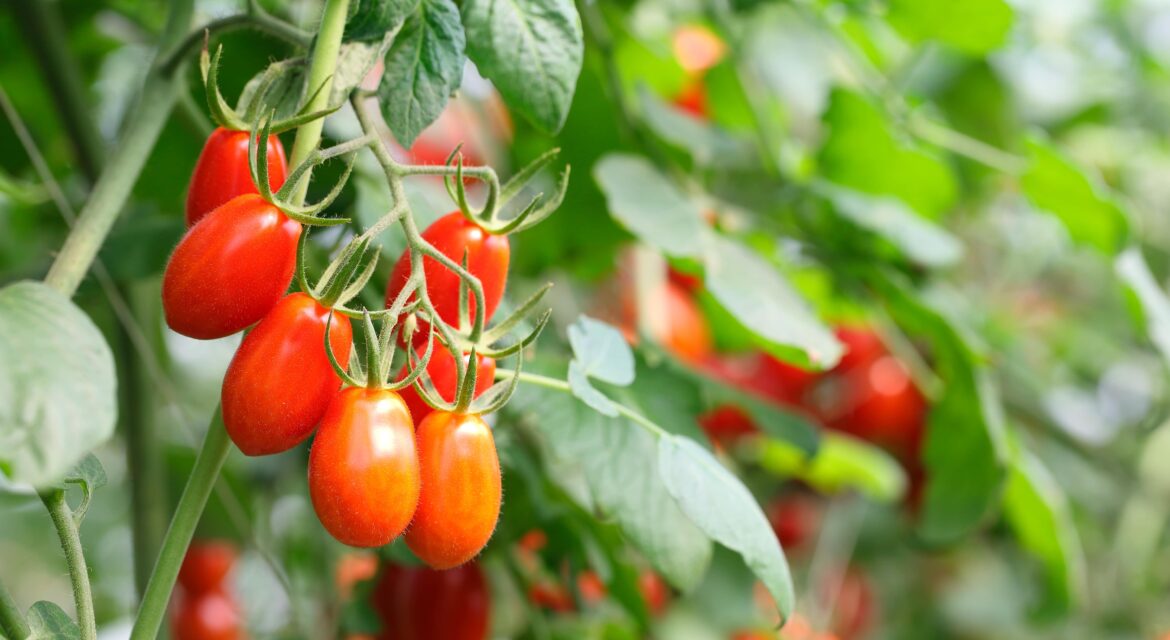
Tomatoes are one of the most widely grown horticultural crops in Kenya, providing both food and income for thousands of small- and medium-scale farmers.
With increasing demand in local and regional markets, tomato farming offers excellent returns when managed properly.
To succeed, farmers must apply best practices across all stages of production—from variety selection to harvesting and marketing.
This guide outlines the key steps for profitable tomato farming in Kenya.
1. Crop Selection and Planning
Choosing the right tomato variety is critical for yield, disease resistance, and marketability.
In Kenya, ensure to choose a tomato variety that is approved by KEPHIS, an example being Tunda F1 from Agripack Seeds Limited. Consider whether the variety is open-pollinated or hybrid, and whether it is suitable for open field or greenhouse farming.
Plan your planting around dry seasons with irrigation, as excess rain can cause fungal diseases. Assess market demand in advance—especially for urban markets—and ensure you have access to quality inputs and water.
2. Soil and Climate Requirements
Tomatoes grow best in well-drained, fertile loam or sandy loam soils with a pH between 6.0 and 7.0. Soils should be rich in organic matter and free from nematodes or soil-borne diseases.
Climate-wise, tomatoes prefer warm temperatures between 20°C and 30°C and at least 600–800 mm of rainfall per season, preferably with supplementary irrigation.
Avoid waterlogged or highly humid conditions, which promote disease.
3. Land Preparation and Planting Techniques
Prepare the land by deep ploughing and harrowing to create a fine seedbed. Apply well-rotted manure or compost during land preparation.
Transplant healthy seedlings (aged 4–6 weeks) to the field. Ideal spacing is 60 cm between rows and 45–60 cm between plants. Incorporate phosphorus-rich basal fertilizer (e.g., DAP) during transplanting.
Mulching helps retain soil moisture and suppress weeds.
For greenhouse farming, use raised beds and drip irrigation for efficient water and nutrient use
4. Crop Management (Irrigation, Fertilization, Weeding)
Tomatoes require regular irrigation, especially during flowering and fruit formation.
Avoid overhead irrigation which can spread fungal diseases.
Fertilize with NPK blends during early growth, during flowering and fruiting. Foliar feeds rich in calcium and boron improve fruit quality.
NUTRITION
| NUTRITIONAL NEEDS | RECOMMENDED PRODUCT |
| Growth Starter and Vegetative growth | Brilliant – 40ml/20L of water |
| Grain consistency and Uniformity | Microfert Ti – 20ml/20L of water |
| Vegetative Growth, Boost Plant Immunity and Plant Metabolic Processes | Faida SC – 20-40ML/20L of water |
Weed regularly, especially in the first month, and stake the plants to improve air circulation and reduce disease incidence.
5. Pest and Disease Control
Common pests include:
- Whiteflies
- Aphids
- Tuta absoluta (tomato leaf miner)
- Cutworms
Common Tomato Pests and Chemical Control
| Common Pests | Chemical Control (Recommended Product) |
| Whiteflies | Acetak 200SL, Alfatox 100EC, Acetak Top 700WG |
| Aphids | Acetak 200SL, Alfatox 100EC Acetak Top 700WG, Vendex 50EC, Protap 500WP, Aragon 220ZC |
| Tuta absoluta (Tomato Leaf Miner) | Fenari 120SC, Benocarb 100SC, Emmaron 30SC, T-Kab 300WG. |
| Cutworms | Acetak Top 700WG, Vendex 50EC |
Common diseases include:
- Early and late blight
- Bacterial wilt
- Powdery mildew
- Tomato mosaic virus (ToMV)
Common Tomato Diseases and Chemical Control
| Common Diseases | Chemical Control (Recommended Product) |
| Early Blight | Kenthane 720WP, Mastagold 720WG, Metameta 720WP, Tajiri 720WP |
| Late Blight | Kenthane 720WP, Mastagold 720WG, Metameta 720WP, Tajiri 720WP |
| Powdery Mildew | Orizole 250EC, Dewklin 250EC |
| Tomato Mosaic Virus (ToMV) |
Use resistant varieties, rotate crops, and maintain field hygiene.
Apply recommended fungicides, insecticides, or biopesticides based on early scouting. Introduce biological control agents (e.g., Trichoderma) when possible.
6. Harvesting and Post-Harvest Handling
Harvest tomatoes when they are firm and at the mature green to red stage, depending on the market. Use clean harvesting containers to reduce bruising.
Sort and grade fruits based on size and ripeness. Store in a cool, shaded, and well-ventilated area. For distant markets, harvest at the breaker stage (slightly turning colour) to reduce spoilage.
7. Marketing and Value Addition
Tomatoes have ready markets in towns, supermarkets, processing factories, and export chains. For better prices:
- Form farmer groups to aggregate produce
- Use contract farming models
- Explore direct marketing to retailers
Value addition options include:
- Tomato paste and sauces
- Sun-dried tomatoes
- Canning
Packaging and quality control significantly improve market value.
8. Farm Business and Record Keeping
Track all farm activities, including costs, pesticide use, labor, and yields. This helps monitor profitability, plan future seasons, and manage risks.
Access financial services such as input credit, crop insurance, or irrigation loans.
Participate in farmer training programs or engage with agricultural extension officers for ongoing technical support.
Maximizing the Potential of Tomato Farming in Kenya
Tomato farming in Kenya is a high-value venture when managed with precision and market orientation.
By selecting the right varieties, maintaining proper crop management, and controlling pests and diseases early, farmers can achieve consistent yields and income.
With increasing demand for fresh and processed tomatoes, adopting modern practices and investing in post-harvest management can turn tomato farming into a thriving agribusiness.

Joyce njoroge
It’s very helpfull to me.im yet to start farming this month im 21 years old but with this i guess I can follow the procedure and im good to go .Thank you so much
BRIAN OKINYI
We depend on farm products as our source of food and money
BRIAN OKINYI
farming makes many Kenyans to have job opportunities