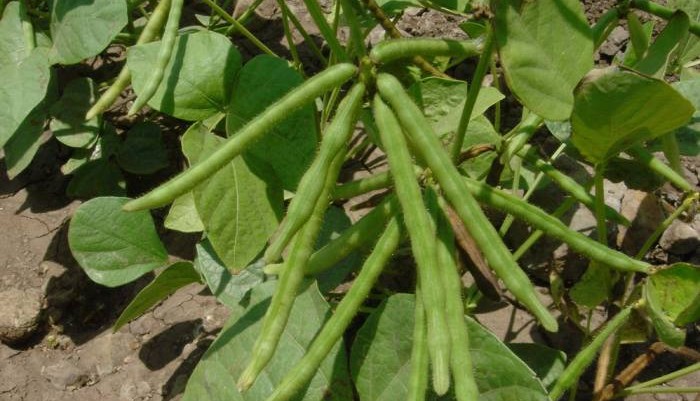
Green gram farming in Kenya—locally known as Ndengu farming—is rapidly gaining popularity among both smallholder and commercial farmers. The crop’s short maturity period, drought tolerance, and strong market demand make it a reliable choice for income generation and food security.
Beyond its economic benefits, green gram is also valued for its high protein content and its ability to improve soil fertility through nitrogen fixation, making it an ideal crop for sustainable farming systems.
This guide highlights the best practices for achieving profitable, sustainable, and high-yielding green gram production in Kenya.
1. Crop Selection and Planning
Start with selecting certified seeds suitable for your Agro-climatic zone and market requirements.
Popular Green Gram Varieties in Kenya:
- N26 – Early maturing (60–70 days), drought-tolerant
- Karembo – High yielding, suitable for arid and semi-arid areas
- Biashara – Preferred for its uniform maturity and market appeal
Planting Seasons:
- Rain-fed farming: At the onset of rains—March (long rains) or October (short rains)
- Irrigated farming: Can be done year-round where water is available
Plan your production based on input availability, labour, rainfall forecast, and market access.
2. Soil and Climate Requirements
Green grams thrive in semi-arid and warm regions with moderate rainfall.
Ideal Conditions:
- Soil type: Well-drained sandy loam or loam soils
- Soil pH: 6.0–7.5 (slightly acidic to neutral)
- Temperature: 20°C–35°C
- Rainfall: 300–600 mm per season
Avoid planting in waterlogged or clay soils to prevent root rot.
3. Land Preparation and Planting Techniques
Land Preparation:
- Clear weeds and residues from the previous crop
- Plough and harrow to a fine tilth to allow good seed-soil contact
Planting:
- Spacing: 45 cm between rows and 15 cm between plants
- Seed rate: 8–10 kg per acre
- Depth: Sow seeds 2.5–5 cm deep
Apply organic manure or DAP at planting to enhance root development.
4. Crop Management (Irrigation, Fertilization, Weeding)
Irrigation:
- Green grams are drought-tolerant but benefit from light irrigation during flowering and pod filling for better yields.
Fertilization:
- Green grams require minimal fertilization.
- Use phosphorus-based fertilizers (DAP) at planting
- Avoid excessive nitrogen as it promotes vegetative growth over pods
Weeding:
- Weed during the first 3–5 weeks after planting
- Avoid deep hoeing to protect shallow roots
- Mulching can help retain moisture and suppress weeds
In order to ensure that your green gram are not competing with the weeds for nutrients, food and overall growth and performance, it is important to control weeds. It is important to contain the weeds earlier on, before they are bigger and more difficult to kill. It is recommended to control at the stage of three leaves and below, and before your beans begin to flower, in order to preserve your crop. Some of the best active ingredients for containing weeds in green grams include Clomazone, that is Systemic, and works by being absorbed by roots and shoots and moved upward. There is also Quizalofop-p-ethyl, Systemic; absorbed through the foliage and translocated via the phloem and xylem to concentrate in the meristematic growing points of grass weeds. Fomesafen, which acts primarily on contact.
WEED MANAGEMENT
| Chemical Control (Recommended Product) | APPLICATION RATE |
| B-Safi 180EC | 50-100ml/20L of water |
| B-Safi Turbo 150ME | 50-100ml/20L of water |
5. Pest and Disease Control
Common Pests:
- Aphids
- Pod borers
- Thrips
- Whiteflies
PEST MANAGEMENT
1. Aphids, Whiteflies – Use Acetak 200SL at the rate of 10ml/20L of water.
2. Thrips, Pod Borers – Use Aragon 220ZC that is a systemic insecticides, at the rate of 10ml/20L of water.
Common Green Gram Pests and Chemical Control
| Common Pests | Chemical Control (Recommended Product) |
| Aphids | Acetak 200SL – 10ml/20L of water, Alfatox 100EC 10ml/20L of water, Acetak Top 700WG 2.5G/20L of water, Aragon 220ZC 5-10ml/20L of water |
| Whiteflies | Acetak 200SL – 10ml/20L of water, Alfatox 100EC 10ml/20L of water, Acetak Top 700WG 2.5G/20L of water, Aragon 220ZC 5-10ml/20L of water |
| Thrips | Aragon 220ZC – 10ml/20L of water |
| Pod Borers | T-Kab 300WG – 2.5G/20L of water |
Common Diseases
- Powdery mildew
- Cercospora leaf spot
- Root rot
DISEASE MANAGEMENT
1. Bacterial Blight– A copper based fungicide is the best to control this disease. Use I-Perion 50WP at the rate of 50g/20L of water.
2. Rust– Use Orizole 250EC at the rate of 15ml/20L of water.
3. Powdery Mildew – Use Orizole 250EC at the rate of 15ml/20L of Water.
4. Damping Off – To prevent this, it is important to treat your seeds before planting. Use Imidaflo 520FS to treat your seeds pre-planting.
Common Green Gram Diseases and Chemical Control
| Common Diseases | Chemical Control (Recommended Product) |
| Powdery Mildew | Orizole 250EC – 15ml.20L of water, Bugati 500SC– 10ml/20L of water |
| Cercospora Leaf Spot | Orizole 250EC – 15ml.20L of water, Bugati 500SC– 10ml/20L of water |
| Root Rot | Foscap 250ME 20ml/20L of water, Foscap Top 105GR – 30-45kg/Ha |
| Bacterial Blight | Orizole 250EC – 15ml.20L of water, Bugati 500SC– 10ml/20L of water |
| Rust | Orizole 250EC – 15ml.20L of water, |
| Damping Off | Mastagold 720WG – 50g/20L of water, Metameta 720WP – 50g/20L of water, Tajiri 720WP – 40g/20L of water |
Control Measures:
- Use resistant seed varieties
- Practice crop rotation with cereals like maize
- Use biopesticides or approved insecticides at flowering
Maintain good field hygiene and plant spacing
NUTRITION
After ensuring that there are no weeds on your green grams farm, and the disease and pests are at bay, there is one more important step to ensuring optimum yields, with quality, quantity produce.
At Kenagro, we have just the right regimen for ensuring that your crops are growing well, producing the best grains, and good enough for local markets and beyond.
PROPER GREEN GRAMS NUTRITION
| NUTRITIONAL NEEDS | RECOMMENDED PRODUCT |
| Growth Starter and Vegetative growth | Brilliant – 40ml/20L of water |
| Grain consistency and Uniformity | Microfert Ti – 20ml/20L of water |
| Vegetative Growth, Boost Plant Immunity and Plant Metabolic Processes | Faida SC – 20-40ML/20L of water |
6. Harvesting and Post-Harvest Handling
Green grams mature in 60–80 days depending on variety and climate.
Harvesting Guidelines:
- Harvest when 80% of pods are mature and turn black or brown
- Uproot or cut plants and dry under shade for 5–7 days
- Thresh and winnow to remove chaff
Storage:
- Dry grains to 10–12% moisture before storage
- Store in aerated, dry, pest-free conditions using gunny bags or hermetic bags
7. Marketing and Value Addition
Demand for green grams in Kenya and export markets (especially to India, Pakistan, and the Middle East) is strong.
Marketing Tips:
- Sell through local markets, brokers, or farmer cooperatives
- Target peak demand seasons (before school terms or religious holidays)
- Explore export channels and contract farming with aggregators
Value Addition Options:
- Packaged green grams for supermarkets
- Roasted green gram snacks
Sprouted green grams for health-conscious consumers
8. Farm Business and Record Keeping
Smart Agribusiness Tips:
- Maintain records of seed rates, fertilizers, labour, and yields
- Monitor input costs and profits per acre
- Access loans, grants, and agricultural insurance
- Leverage mobile apps for market prices, weather alerts, and extension support
Unlocking the Potential of Green Gram Farming in Kenya
Green gram farming in Kenya is a sustainable, low-cost, and profitable venture that fits well in crop rotation programs and drought-prone regions. With early maturity, minimal input requirements, and broad market access, green grams offer farmers a dependable income stream.
By adopting the right varieties, planting practices, pest management, and marketing strategies, farmers can significantly increase yields and profitability in Ndengu farming.

Irene muthoni
I am enlightened and ready to start
Nyaga
Am a beginner already started
Fama
Starting today target Dec